Soil degradation, one of the worldwide problems, can be considered as a global pandemic. One of the mitigation measures involves integrated nutrient management and organic amendments, pressing the use of locally available organic resources and external fertilizers for long-term effectiveness. As the world focuses more on sustainable agriculture and environmentally friendly methods, cocopeat has become a key resource in contemporary gardening and farming. This renewable material that is made from coconut husks enables farmers, landscapers, and gardeners to cultivate healthier plants while minimizing harm to the environment.
Considering the importance of cocopeat as mentioned above, now the question is: what exactly is cocopeat? What is its role in soil degradation? Is it true that the global market is actually in demand for these processed coconut husks? In this article, you will find all the answers regarding cocopeat, its role in the environment, and the global market demand.
What Is Cocopeat?
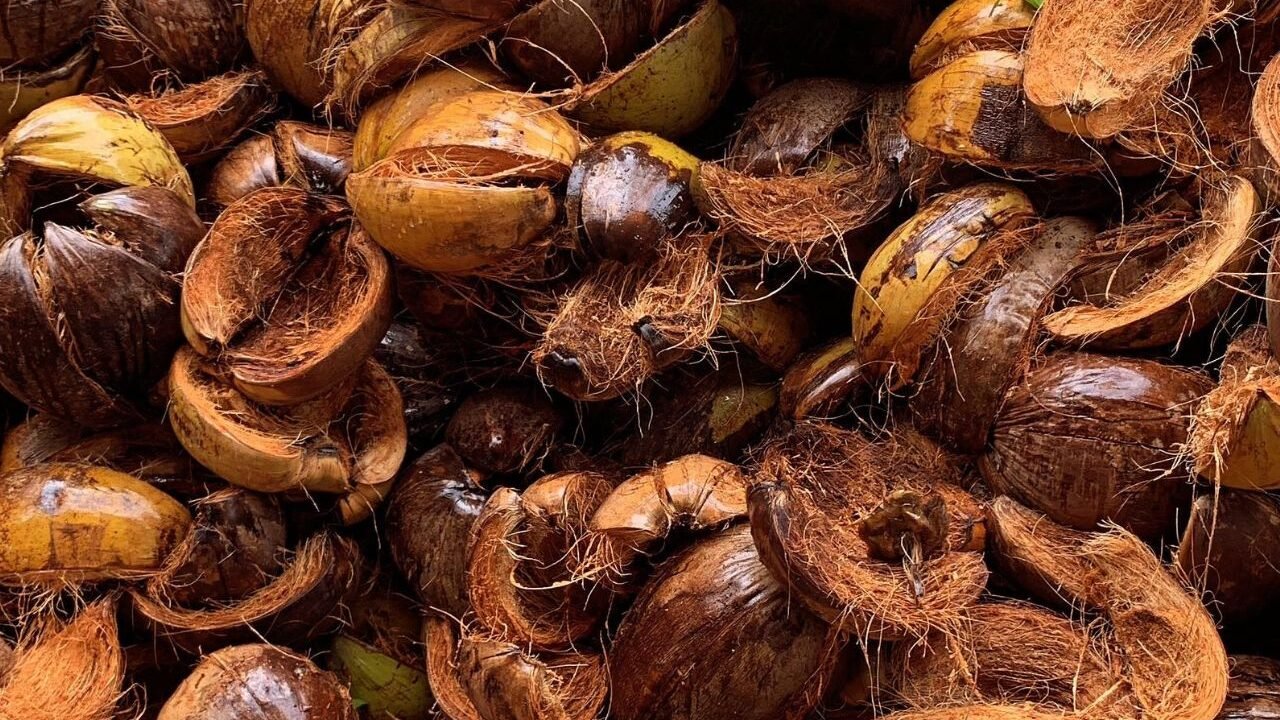
Cocopeat is a secondary product that is obtained from coconut processing industries in abundance. The component includes a non-fibrous, spongy, lightweight, corky material that holds together the coir fiber in coconut husk. Going by the name cocopeat globally, they are also called Coco Coir in the US. In another part of the world, additionally called Coir Pith in the Middle East.
It was in the early 90’s that the horticultural use of coco peat was discovered, and the material demand has been on the rise ever since. Cocopeat is a 100% organic, natural, and biodegradable material produced during coconut fiber extraction. Cocopeat has become a valuable co-product due to its widespread use in agriculture, horticulture, and hydroponics, even though once considered merely a by-product of the process.
What Is Cocopeat Made Of?
Coconuts are harvested for their fibers, which are used in ropes, mats, or brushes. The remaining fine and spongy material that is bypassed during its extraction is the origin of cocopeat. This discarded material is then processed, washed, dried, and compressed into cocopeat blocks or bricks. Cocopeat is one of the best alternatives to traditional soil or peat moss, thanks to its lightweight, eco-friendly, and renewable material. Products with cocopeat as its main ingredient can absorb several times its weight in water while still providing excellent aeration for roots.
Cocopeat is available in various forms, depending on its needs. For export and storage, compressed blocks or bricks are commonly used. For residential use, it can be formed as loose cocopeats for potting mixes, grow bags for hydroponic farming, and discs or pellets for seed trays and nurseries.
Key Characteristics of Cocopeat
Cocopeat is known for its exceptional physical and chemical properties, which makes it ideal for plant growth, because of its high-water retention that keeps plants hydrated for longer periods, with excellent aeration that promotes healthy root development. At Tanococo, the products we sell also have the lowest EC levels and a neutral to slightly acidic pH (5.5–6.8), making them ideal for most plants.
With the best quality production process, cocopeat has anti-fungal properties that naturally resist root rot and pests, and is an organic and biodegradable product that is safe for both plants and the environment, with a lightweight and reusable form that is easy to handle and rehydrate.
What Is Cocopeat Used For?
From household to large-scale, cocopeat can benefit many activities. Not only is cocopeat profit-oriented, but it can also have an impact on the environment to be more sustainable.
If you’re a home gardener, cocopeat can retain moisture longer than common soil, making it require less watering frequency, thus making plant care much easier. Besides being used solely, cocopeat can also be mixed with compost or perlite, creating nutrient-rich potting cocopeat soil. Seeing this benefit, cocopeat usage is ideal for indoor gardening activities, like potted plants, vegetables, and herbs.
Cocopeat provides a stable and uniform medium to maintain consistent moisture levels, which is ideal for large-scale planting like commercial farming, greenhouses, or other larger agricultural or hydroponic systems. It enhances root aeration, allowing better nutrient absorption. To further support the sustainable use, cocopeat can be reused after proper cleaning and rehydration, while still offering uniform quality and performance, so the yields are still predictable.
Now, let’s talk about the benefits from an environmental perspective. The use of cocopeat can serve as a stepping stone to take a step forward to 100% renewable and biodegradable greener farming. This is supported by the reduction of agricultural waste from the coconut industry. While peat moss extraction harms natural peatlands, cocopeat can be an alternative solution.
How Cocopeat Improves Soil Quality
There are several studies regarding how cocopeat can improve soil quality. From these studies, it is proposed that cocopeat may enhance the physicochemical and biological properties of soil, therefore can be used as soilless growing media with few organic amendments or as soil amelioration.
A 60-day study examined how adding cocopeat to soil affected the soil’s physical and chemical properties, as well as the growth of Clitoria ternatea seedlings. The plants received proper fertigation, and the soil was mixed with different amounts of cocopeat (0%, 10%, 20%, 30%, 40%, 50%, 60%, 70%, 80%, and 100%). The results showed that higher cocopeat concentrations improved the physical and chemical properties of the growing medium compared to the control treatment (100% soil).
This increased nutrient availability for the plants and promoted their growth. Adding cocopeat also improved plant growth, as shown by greater seedling height and higher dry weight than the control. However, using 100% cocopeat reduced the growth of Clitoria ternatea seedlings.
Global Cocopeat Market Outlook
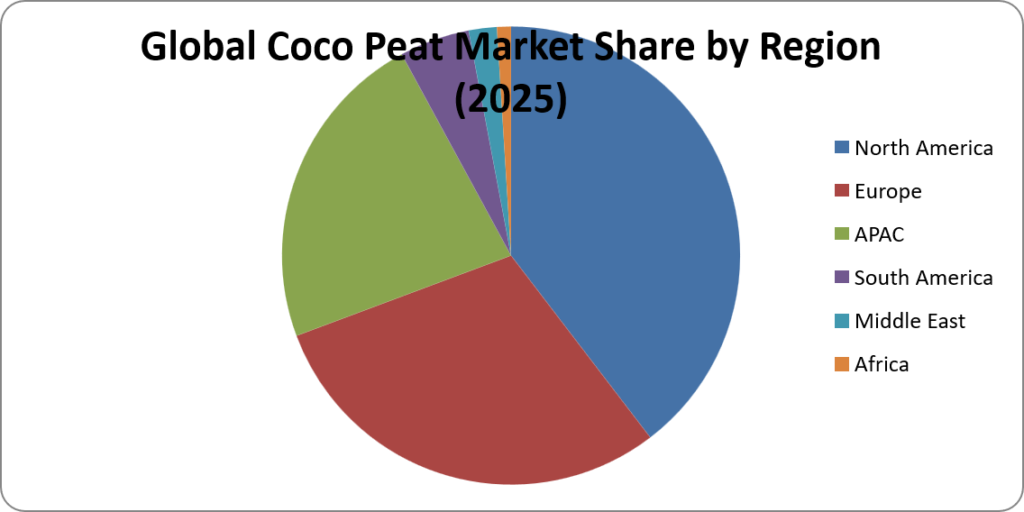
According to Cognitive Market Research, the global cocopeat market is expected to reach USD 2,651.5 million in 2025. The market is also projected to grow at a compound annual growth rate (CAGR) of 5.00% between 2025 and 2033, with the demand for high EC coco peat being the fastest-growing segment of the coco peat industry. Here’s the detail for each region:
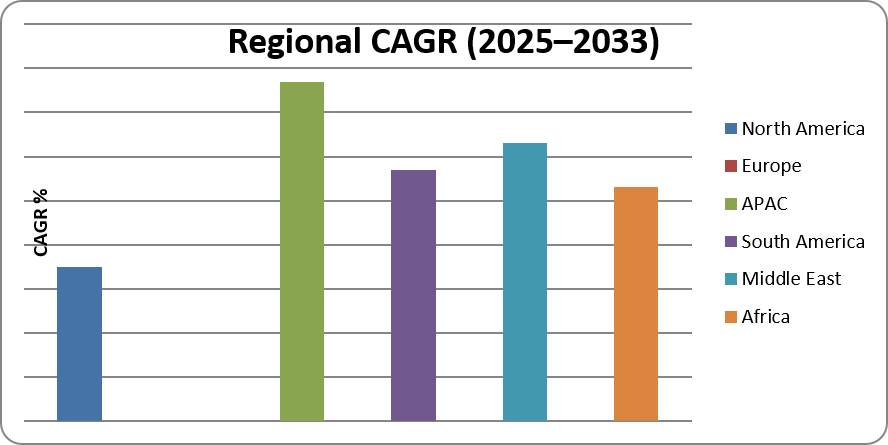
- North America accounted for the largest share of the global cocopeat market, contributing more than 40% of total revenue. The region’s market size is expected to reach USD 981.06 million in 2025 and grow at a compound annual growth rate (CAGR) of 3.5% from 2025 to 2033.
- Europe represented more than 30% of the global market, with a market size of USD 768.94 million.
- The Asia-Pacific (APAC) region held about 23% of the global market, with a market size of USD 636.36 million in 2025. It is expected to grow at a CAGR of 7.7% between 2025 and 2033.
- South America accounted for more than 5% of the global market. Its market size is projected to reach USD 100.76 million in 2025 and grow at a CAGR of 5.7% from 2025 to 2033.
- The Middle East represented around 2% of the global market, with an estimated market size of USD 106.06 million in 2025. The region is expected to grow at a CAGR of 6.3% from 2025 to 2033.
- Africa held around 1% of the global market, with an estimated market size of USD 58.33 million in 2025. It is projected to grow at a CAGR of 5.3% between 2025 and 2033.
Conclusion
Coco Peat, also called coir pith or coir dust in some regions, is known for its superiority in water retention, aeration, and nutrient retention capabilities. Initially a by-product from the coconut industry, it is now used as an optimal substrate for hydroponics, container cultivation, and soil enhancement.
Due to technological innovation in agricultural methods and machinery, the integration of cocopeat can now facilitate farming practices, improve crop output, and improve water efficiency. With today’s global market demand for organic and eco-friendly alternatives, the coco peat market is predicted to further expand.